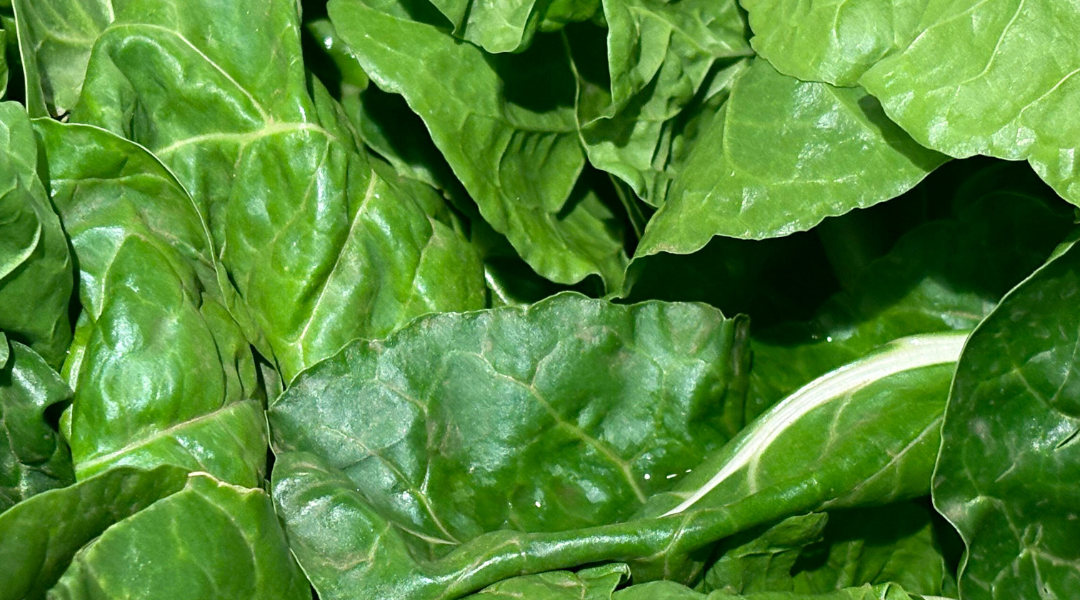
Spinach is a leafy green vegetable that has earned its reputation as a superfood for good reason. With its dense nutrient profile and numerous health benefits, spinach has become a staple in many healthy diets. Whether eaten raw or cooked, this versatile vegetable offers a range of vitamins, minerals, and antioxidants that can support everything from heart health to bone strength. Spinach’s light and mild flavor also make it easy to incorporate into a variety of dishes, including salads, smoothies, soups, and sautéed sides.
Nutritional Value of Spinach
Spinach is incredibly nutrient-dense while being very low in calories, making it an excellent choice for anyone looking to boost their nutrient intake without consuming many calories. One cup (approximately 30 grams) of raw spinach contains the following nutrients:
- Calories: 7
- Protein: 0.9 grams
- Carbohydrates: 1.1 grams
- Fiber: 0.7 grams
- Fat: 0.1 grams
- Vitamin A: 56% of the Recommended Daily Allowance (RDA)
- Vitamin C: 14% of the RDA
- Vitamin K: 181% of the RDA
- Folate (Vitamin B9): 15% of the RDA
- Iron: 5% of the RDA
- Calcium: 3% of the RDA
- Magnesium: 6% of the RDA
- Potassium: 4% of the RDA
In addition to these key nutrients, spinach contains high levels of antioxidants like lutein, zeaxanthin, and flavonoids, which help protect the body against oxidative damage and inflammation.
Health Benefits of Spinach
- Rich in Antioxidants
Spinach is loaded with antioxidants, which are compounds that help neutralize free radicals in the body. Free radicals are unstable molecules that can damage cells, leading to inflammation, aging, and diseases like cancer. Antioxidants like lutein, beta-carotene, and quercetin found in spinach help protect the body from these harmful effects, reducing the risk of chronic diseases. - Supports Eye Health
Spinach is rich in lutein and zeaxanthin, two important carotenoids that are essential for eye health. These compounds protect the eyes from harmful UV light and reduce the risk of age-related macular degeneration and cataracts, both of which can impair vision as we age. Spinach also contains vitamin A, which is vital for maintaining healthy vision and preventing night blindness. - Boosts Immune Function
The high content of vitamin A in spinach helps support a healthy immune system. Vitamin A strengthens the mucous membranes in the respiratory, digestive, and urinary tracts, which act as a barrier to infections. Additionally, the vitamin C found in spinach boosts the immune system by promoting the production of white blood cells and enhancing the body’s ability to fight infections. - Improves Heart Health
Spinach contains nitrates, compounds that the body converts into nitric oxide, which helps relax blood vessels and improve blood flow. This can lower blood pressure, reduce strain on the heart, and decrease the risk of cardiovascular diseases such as heart attacks and strokes. Additionally, the high potassium content in spinach helps regulate blood pressure by counteracting the effects of sodium in the body. - Supports Bone Health
Spinach is one of the best plant-based sources of vitamin K, a nutrient that is crucial for bone health. Vitamin K helps activate proteins involved in bone mineralization, which strengthens bones and reduces the risk of fractures. Spinach also contains calcium and magnesium, two other essential minerals for maintaining bone density and preventing conditions like osteoporosis. - Aids in Digestion
Spinach is a good source of dietary fiber, which is essential for a healthy digestive system. Fiber adds bulk to the stool, promoting regular bowel movements and preventing constipation. The fiber in spinach also supports a healthy gut by feeding beneficial gut bacteria, which play a key role in digestion and overall health. - Helps Prevent Anemia
Spinach is a good source of iron, an essential mineral for the production of hemoglobin, the protein in red blood cells that carries oxygen throughout the body. Consuming spinach can help prevent iron-deficiency anemia, which can cause fatigue, weakness, and shortness of breath. The vitamin C in spinach also aids in the absorption of non-heme iron (the type of iron found in plant-based foods), making it more effective at raising iron levels in the body. - Supports Skin Health
Spinach’s high levels of vitamins A and C play a significant role in maintaining healthy skin. Vitamin A helps in the production of sebum, which keeps skin moisturized, while vitamin C aids in collagen production, which is necessary for maintaining the skin’s elasticity and preventing wrinkles. The antioxidants in spinach also help protect the skin from damage caused by free radicals, contributing to a more youthful appearance. - May Help with Weight Management
Due to its low calorie content and high nutrient density, spinach is a great food for weight management. It is filling and satisfying while providing a wide range of nutrients with very few calories. The fiber content in spinach also promotes satiety, helping you feel fuller for longer and reducing overall calorie intake. - Regulates Blood Sugar
Spinach contains alpha-lipoic acid, an antioxidant that has been shown to lower glucose levels, increase insulin sensitivity, and prevent oxidative stress in people with diabetes. The fiber in spinach also helps regulate blood sugar levels by slowing down the absorption of sugar into the bloodstream, preventing spikes in blood sugar levels.
Pros of Including Spinach in Your Diet
- Low in Calories, High in Nutrients: Spinach is an excellent food for increasing your nutrient intake without adding many calories.
- Supports Eye and Skin Health: Rich in antioxidants, vitamins A and C, which benefit both your eyes and skin.
- Heart-Healthy: High in potassium and nitrates, which promote healthy blood pressure and circulation.
- Boosts Immune System: Packed with vitamins A and C that strengthen immune defenses.
- Great for Bones: Vitamin K, calcium, and magnesium all support strong bones and prevent bone-related issues.
- Versatile: Easy to incorporate into a wide range of meals and dishes, both raw and cooked.
Cons of Spinach
- Oxalate Content: Spinach contains oxalates, which can bind with calcium and form kidney stones in susceptible individuals. If you are prone to kidney stones, you may need to limit your spinach intake.
- Thyroid Concerns: Spinach, like other leafy greens, contains goitrogens, which may interfere with thyroid function in people with iodine deficiency. Cooking spinach can reduce the goitrogen content, making it safer for those with thyroid concerns.
How to Include Spinach in Your Diet
- Salads: Fresh spinach can be used as the base for a nutrient-dense salad.
- Smoothies: Add raw spinach to smoothies for a boost of nutrients without altering the taste.
- Sautéed Spinach: Sauté spinach with garlic and olive oil for a quick and healthy side dish.
- Soups and Stews: Stir spinach into soups and stews to add extra nutrition to your meal.
- Spinach Pesto: Use spinach in place of basil to make a delicious and nutrient-packed pesto.
Conclusion
Spinach is a nutritional powerhouse that provides a wealth of health benefits, from supporting eye health and strong bones to boosting immunity and protecting the heart. Low in calories but packed with essential vitamins, minerals, and antioxidants, spinach is a food that can easily be incorporated into any diet. Whether eaten raw in salads, blended into smoothies, or cooked in a variety of dishes, spinach offers a convenient and versatile way to improve your overall health.