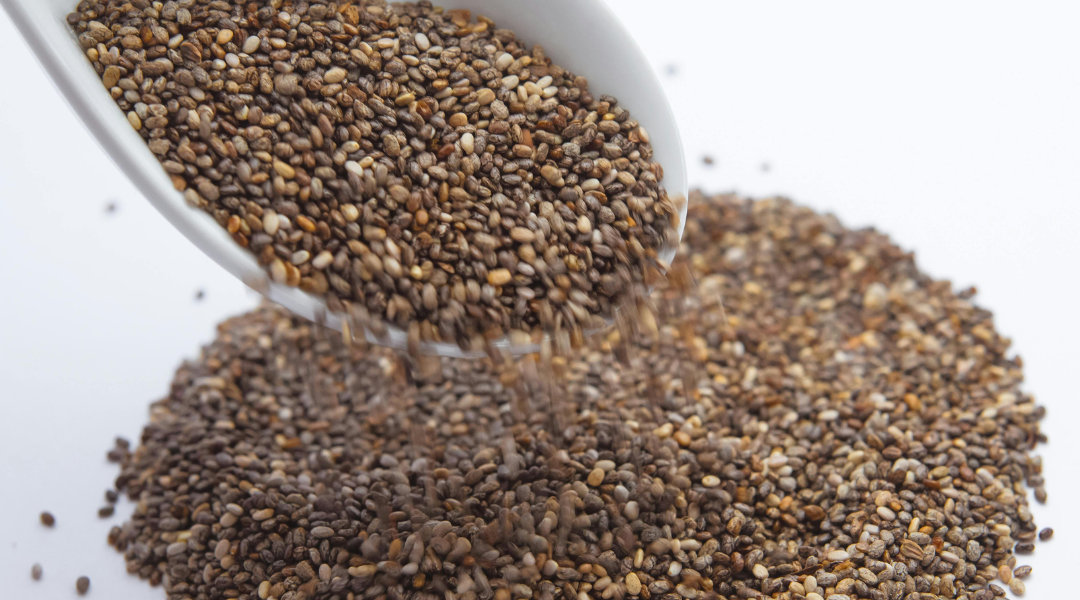
Chia seeds, though tiny in size, pack an incredible nutritional punch. These small seeds come from the Salvia hispanica plant, which is native to Mexico and Guatemala. Over the past few years, chia seeds have gained popularity as a superfood, thanks to their impressive health benefits and versatility in culinary uses.
Nutritional Value of Chia Seeds
Chia seeds are a rich source of omega-3 fatty acids, fiber, protein, antioxidants, and various essential minerals. They are incredibly nutrient-dense relative to their small size, making them a great addition to many dishes.
- Calories: 137 per ounce (28 grams)
- Fiber: 10 grams per ounce
- Protein: 4 grams per ounce
- Fat: 9 grams (of which 5 grams are omega-3s)
- Calcium: 18% of the Recommended Daily Allowance (RDA)
- Magnesium: 30% of the RDA
- Phosphorus: 27% of the RDA
- Antioxidants: High levels of antioxidants protect the delicate fats in the seeds from going rancid.
Health Benefits of Chia Seeds
- Rich in Omega-3 Fatty Acids
Chia seeds are one of the best plant-based sources of omega-3 fatty acids, particularly alpha-linolenic acid (ALA). Omega-3s are crucial for heart and brain health, as they help lower cholesterol levels, reduce inflammation, and may protect against cardiovascular diseases. - High in Fiber
One of the standout features of chia seeds is their fiber content—just one ounce contains around 10 grams of fiber. This helps promote digestive health, prevents constipation, and aids in maintaining a healthy gut. High-fiber foods like chia seeds also support weight loss by promoting a feeling of fullness. - Excellent Source of Protein
For those looking to increase their plant-based protein intake, chia seeds are an excellent option. They contain all nine essential amino acids, making them a complete protein source. This is particularly valuable for vegans and vegetarians. - Antioxidant-Rich
Chia seeds are loaded with antioxidants, which protect the body from oxidative stress and may help slow down the aging process. Antioxidants also protect the fats in chia seeds from becoming rancid, increasing their shelf life. - Bone Health Support
Chia seeds are rich in calcium, magnesium, and phosphorus, all of which are essential for maintaining healthy bones. For people who avoid dairy, chia seeds can provide an alternative source of calcium. - Regulates Blood Sugar Levels
The fiber and protein in chia seeds help slow down the digestion process, preventing rapid spikes in blood sugar levels. This makes chia seeds particularly beneficial for people with diabetes or those aiming to maintain stable blood sugar levels.
Pros of Including Chia Seeds in Your Diet
- Nutrient-dense: High in fiber, omega-3s, and essential minerals.
- Versatile: Can be added to smoothies, oatmeal, baked goods, or used to make chia pudding.
- Helps with weight management: Promotes satiety and aids digestion.
- Supports heart health: Omega-3 fatty acids reduce the risk of heart disease.
- Gluten-free: Naturally gluten-free, making it a great option for those with gluten intolerance.
Cons of Chia Seeds
- May Cause Digestive Issues: Due to their high fiber content, consuming too many chia seeds can cause bloating, gas, or digestive discomfort if not consumed with sufficient water.
- Caloric Density: Although nutritious, chia seeds are relatively high in calories, so portion control is important, especially for those watching their calorie intake.
- Can Form a Gel: Chia seeds absorb up to 10-12 times their weight in water, forming a gel-like texture. While this is great for making puddings or thickening smoothies, it can be uncomfortable if you don’t drink enough water with them.
- Allergic Reactions: Although rare, some people may have allergic reactions to chia seeds, which could manifest as gastrointestinal discomfort or skin irritation.
How to Incorporate Chia Seeds into Your Diet
- Chia Pudding: Mix chia seeds with almond milk, honey, and your favorite fruits, then leave it overnight to create a healthy, delicious pudding.
- Smoothie Booster: Add a tablespoon of chia seeds to your smoothies for a fiber and protein boost.
- Baking Substitute: Use chia seeds as an egg substitute in vegan baking by mixing one tablespoon of chia seeds with three tablespoons of water to form a gel.
- Sprinkle on Salads: Add chia seeds to your salads for an extra crunch and nutrition boost.
- In Oatmeal or Yogurt: Sprinkle chia seeds into oatmeal or yogurt for added texture and nutrients.
Conclusion
Chia seeds may be small, but their health benefits are anything but. They are loaded with nutrients that support heart health, bone health, digestion, and weight management, making them a great addition to your diet. Whether you’re looking for a plant-based protein source, a fiber-rich food, or a heart-healthy omega-3 option, chia seeds offer a versatile and nutrient-packed solution. Just remember to enjoy them in moderation and always pair them with enough fluids to avoid digestive issues.