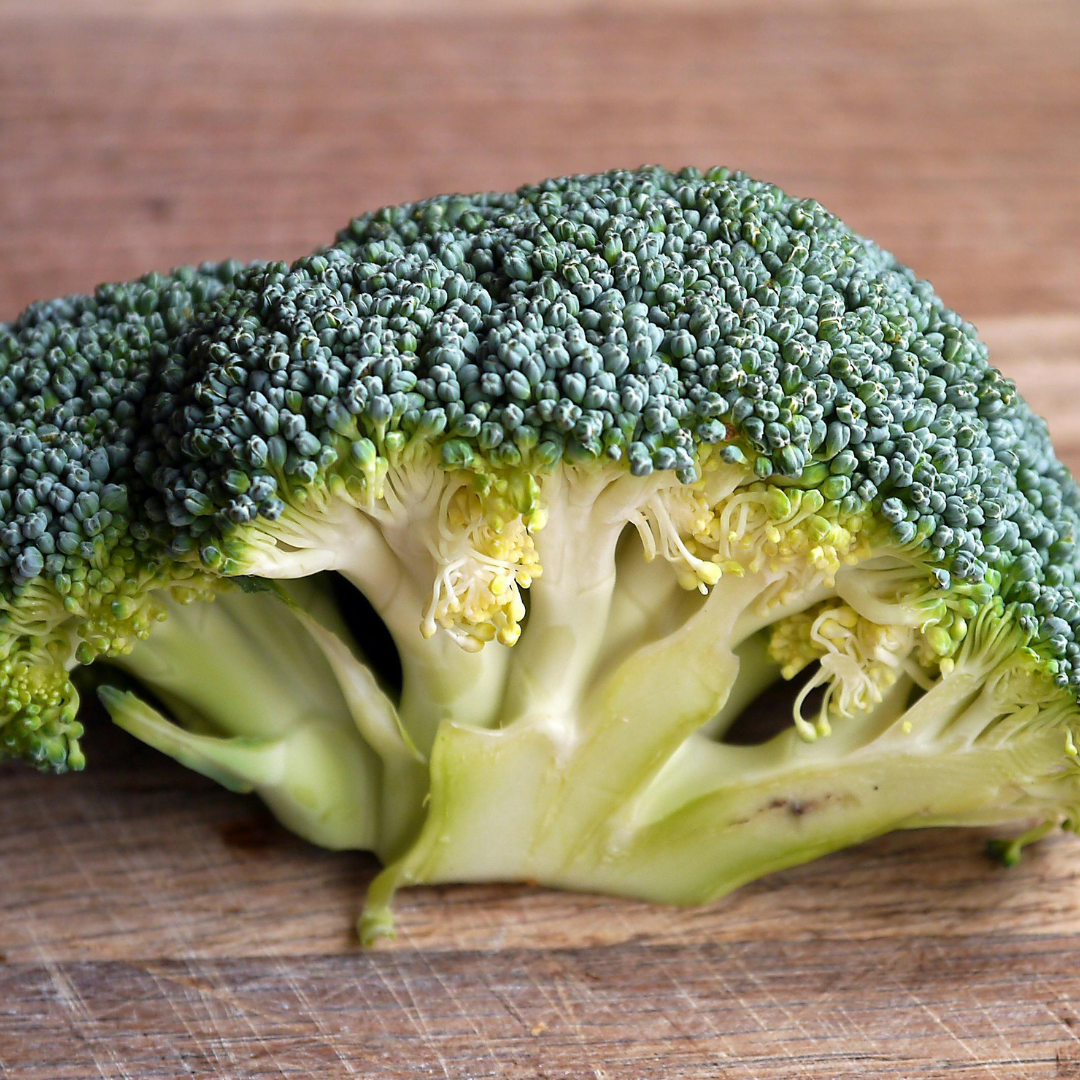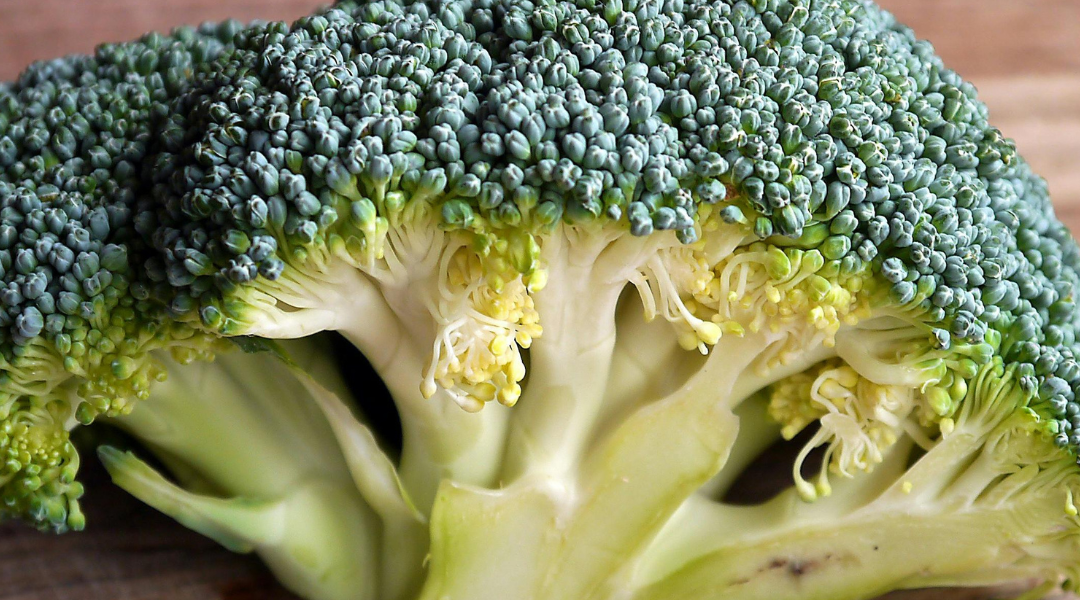
Broccoli, a member of the cruciferous vegetable family, is widely regarded as one of the healthiest vegetables you can eat. Known for its impressive nutritional profile and numerous health benefits, broccoli has earned a reputation for being particularly effective in cancer prevention. Its high levels of vitamins, minerals, fiber, and bioactive compounds make it a powerful addition to a healthy diet. Whether steamed, roasted, or eaten raw, broccoli offers an array of health benefits, with cancer prevention being one of the most notable.
Nutritional Value of Broccoli
Broccoli is a nutrient-dense food, meaning it provides a significant amount of nutrients for relatively few calories. One cup (91 grams) of raw broccoli contains:
- Calories: 31
- Protein: 2.5 grams
- Carbohydrates: 6 grams
- Fiber: 2.4 grams
- Fat: 0.4 grams
- Vitamin C: 135% of the Recommended Daily Allowance (RDA)
- Vitamin K: 116% of the RDA
- Folate (Vitamin B9): 14% of the RDA
- Vitamin A: 11% of the RDA
- Potassium: 8% of the RDA
- Iron: 3% of the RDA
- Calcium: 4% of the RDA
- Magnesium: 4% of the RDA
Broccoli is also rich in powerful antioxidants and phytochemicals, including sulforaphane, glucosinolates, and flavonoids, which play a crucial role in cancer prevention.
Health Benefits of Broccoli
- Cancer Prevention
One of the most well-known benefits of broccoli is its role in cancer prevention. Broccoli contains sulforaphane, a potent antioxidant that has been shown to have anti-cancer properties. Sulforaphane works by neutralizing carcinogens and inhibiting the growth of cancer cells. It also helps detoxify the body by activating enzymes that eliminate harmful toxins. Studies have shown that consuming broccoli regularly can lower the risk of certain cancers, particularly those of the breast, prostate, colon, and lungs. - Rich in Antioxidants
Broccoli is packed with antioxidants, which help protect the body from oxidative stress and reduce inflammation. Along with sulforaphane, broccoli contains high levels of vitamin C, which acts as a powerful antioxidant, protecting cells from free radical damage. Quercetin, kaempferol, and carotenoids like lutein and beta-carotene are other antioxidants in broccoli that contribute to its health-promoting properties. - Supports Heart Health
The high fiber content in broccoli is beneficial for heart health, as fiber helps lower cholesterol levels by binding with bile acids in the digestive tract and removing them from the body. The sulforaphane in broccoli also supports heart health by reducing inflammation in the arteries and preventing oxidative damage, which can lead to heart disease. Additionally, broccoli’s potassium and magnesium content help regulate blood pressure, reducing the risk of hypertension and cardiovascular disease. - Boosts Immune System
Broccoli’s high vitamin C content plays a key role in boosting the immune system. Vitamin C helps stimulate the production of white blood cells, which are essential for fighting off infections. It also strengthens the skin’s defense system and helps wounds heal faster. Broccoli also contains beta-carotene, zinc, and selenium, all of which contribute to a healthy and strong immune response. - Supports Digestive Health
The fiber in broccoli not only aids in digestion by promoting regular bowel movements, but it also supports the growth of healthy gut bacteria. A diet rich in fiber can help prevent constipation, bloating, and other digestive issues. Additionally, broccoli contains glucoraphanin, which is converted into sulforaphane during digestion. Sulforaphane helps protect the stomach lining by reducing the risk of bacterial overgrowth and preventing the formation of ulcers. - Promotes Bone Health
Broccoli is a good source of calcium, vitamin K, and magnesium, all of which are essential for maintaining strong bones and preventing bone-related disorders such as osteoporosis. Vitamin K, in particular, plays a crucial role in bone mineralization, while calcium and magnesium are key components of bone structure. Consuming broccoli regularly can help improve bone density and reduce the risk of fractures. - Improves Skin Health
The antioxidants in broccoli, especially vitamin C, play a role in maintaining healthy skin. Vitamin C is involved in collagen production, a protein that helps keep the skin firm, elastic, and youthful. The beta-carotene in broccoli also contributes to glowing, healthy skin by promoting cell turnover and protecting the skin from damage caused by UV rays. Sulforaphane may even help prevent skin cancer by protecting against harmful sun damage. - Detoxifies the Body
Broccoli is rich in compounds like glucosinolates, which help detoxify the body by supporting liver function. These compounds activate enzymes that neutralize and eliminate toxins from the body, protecting against cellular damage and reducing the risk of disease. Including broccoli in your diet can help improve the body’s natural detoxification processes and reduce the harmful effects of environmental pollutants. - Regulates Blood Sugar
Broccoli is a great vegetable for people with diabetes or those looking to regulate blood sugar levels. The fiber in broccoli slows down the absorption of sugar into the bloodstream, preventing blood sugar spikes. Additionally, studies suggest that the antioxidants in broccoli, particularly sulforaphane, may help improve insulin sensitivity, making it easier for the body to use insulin and lower blood sugar levels.
Pros of Including Broccoli in Your Diet
- Cancer-Fighting Properties: Contains sulforaphane, a powerful compound that helps prevent and fight cancer.
- Rich in Antioxidants: High in vitamin C and other antioxidants that protect cells from oxidative damage.
- Heart-Healthy: Fiber, potassium, and sulforaphane contribute to lower cholesterol, reduced inflammation, and regulated blood pressure.
- Boosts Immune System: High vitamin C content strengthens the immune system and fights off infections.
- Supports Bone Health: Contains calcium, vitamin K, and magnesium, all of which are vital for maintaining strong bones.
- Aids in Detoxification: Helps the body eliminate harmful toxins through liver-supporting compounds.
- Promotes Digestive Health: Rich in fiber, which supports healthy digestion and prevents constipation.
Cons of Broccoli
- Thyroid Function: Broccoli contains goitrogens, which can interfere with thyroid function, especially in individuals with iodine deficiency. Cooking broccoli can reduce its goitrogen content.
- Gas and Bloating: Broccoli is high in fiber and certain carbohydrates like raffinose, which can cause gas and bloating in some people.
How to Include Broccoli in Your Diet
- Steamed Broccoli: Steaming is one of the best ways to preserve the nutrients in broccoli.
- Roasted Broccoli: Toss broccoli florets with olive oil, salt, and pepper, and roast them in the oven for a delicious side dish.
- Broccoli Salad: Use raw broccoli in salads with other vegetables, nuts, and a light dressing.
- Stir-Fry: Add broccoli to stir-fries with other vegetables, proteins, and sauces for a nutrient-packed meal.
- Broccoli Soup: Puree cooked broccoli with vegetable broth, garlic, and herbs to make a creamy and healthy soup.
Conclusion
Broccoli is one of the most nutrient-dense vegetables you can add to your diet. From its cancer-fighting properties to its role in heart and bone health, broccoli offers a wide range of health benefits. Whether you’re looking to boost your immune system, detoxify your body, or improve your skin, this cruciferous vegetable has it all. With its mild flavor and versatility, broccoli can easily be incorporated into your daily meals, providing a powerful punch of nutrients that can improve overall well-being.