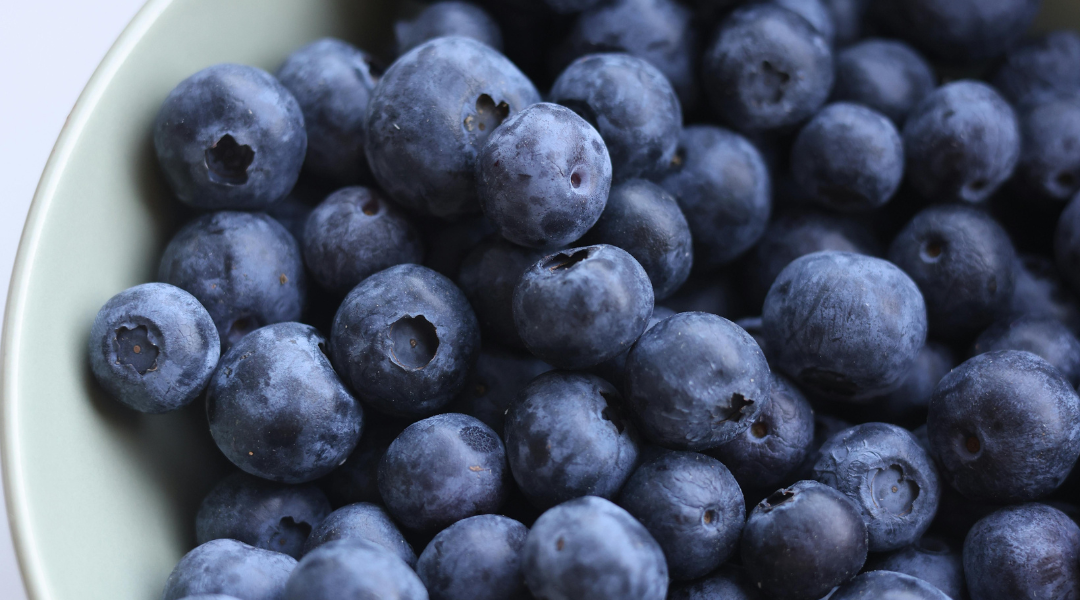
Blueberries, often hailed as one of the most nutritious fruits, are not only delicious but also packed with an impressive range of vitamins, minerals, and antioxidants. These small, vibrant berries have been cherished for their health benefits for centuries, and modern science continues to uncover new reasons why you should include blueberries in your diet.
Nutritional Value of Blueberries
Despite their small size, blueberries are extremely nutrient-dense, offering a host of essential vitamins, minerals, and antioxidants, while being low in calories. One cup (148 grams) of blueberries contains:
- Calories: 84
- Fiber: 4 grams
- Vitamin C: 24% of the Recommended Daily Allowance (RDA)
- Vitamin K: 36% of the RDA
- Manganese: 25% of the RDA
- Carbohydrates: 21 grams
- Antioxidants: High in anthocyanins, which give blueberries their deep blue color.
Health Benefits of Blueberries
- High in Antioxidants
Blueberries are renowned for their antioxidant content, particularly anthocyanins, which help protect the body from oxidative stress. These antioxidants neutralize free radicals, reducing inflammation and lowering the risk of chronic diseases such as heart disease, cancer, and neurodegenerative disorders. - Supports Heart Health
Studies show that regular consumption of blueberries can reduce the risk of heart disease by lowering blood pressure and cholesterol levels. The anthocyanins in blueberries improve the function of arteries, reduce the “bad” LDL cholesterol, and prevent plaque buildup in blood vessels. - Improves Brain Function and Memory
Blueberries have been linked to improved brain function and cognitive health. Their high antioxidant content helps combat oxidative stress in the brain, slowing down cognitive decline and enhancing memory. Studies suggest that regularly consuming blueberries can delay brain aging and improve mental performance. - Aids in Weight Loss
Low in calories but high in nutrients and fiber, blueberries are an excellent addition to any weight loss plan. The fiber in blueberries promotes a feeling of fullness, reducing overall calorie intake while supporting healthy digestion. - Supports Skin Health
Blueberries are a good source of vitamin C, which is essential for collagen production—a protein that helps maintain the skin’s elasticity and structure. Regular consumption of vitamin C-rich foods like blueberries can reduce signs of aging, such as wrinkles and skin damage caused by the sun or pollution. - Regulates Blood Sugar Levels
Despite their natural sweetness, blueberries have a low glycemic index, meaning they don’t cause a sharp spike in blood sugar levels. Studies suggest that blueberries can improve insulin sensitivity and help regulate blood sugar, making them beneficial for individuals with type 2 diabetes or those looking to manage their blood sugar levels. - Boosts Immune System
The high levels of vitamins C and K, along with other antioxidants, give blueberries powerful immune-boosting properties. These nutrients support your body’s defense system, helping you fend off infections and illnesses more effectively.
Pros of Including Blueberries in Your Diet
- Rich in antioxidants: Helps protect against oxidative stress and chronic diseases.
- Low in calories: Excellent for weight management.
- Improves heart health: Reduces cholesterol, blood pressure, and supports artery function.
- Cognitive benefits: Enhances brain health and memory.
- Versatile: Can be added to smoothies, salads, baked goods, or eaten as a snack.
Cons of Blueberries
- Cost: Fresh blueberries can be expensive, particularly when they are out of season. Frozen blueberries are a more affordable option but may not always have the same flavor and texture.
- Natural Sugars: While blueberries are low on the glycemic index, they still contain natural sugars. Consuming large amounts could impact blood sugar in some individuals, especially those with diabetes.
- Pesticide Residue: Blueberries are often included in the “Dirty Dozen,” a list of produce with higher pesticide residue. Buying organic can mitigate this risk, but it can be more expensive.
How to Incorporate Blueberries into Your Diet
- Smoothies: Add fresh or frozen blueberries to your smoothies for a nutrient and flavor boost.
- Salads: Toss blueberries into green salads for a touch of natural sweetness.
- Snacks: Enjoy blueberries as a low-calorie snack on their own, or pair them with yogurt and nuts.
- Baking: Use blueberries in muffins, pancakes, or pies for a sweet and nutritious treat.
- Breakfast: Sprinkle blueberries on oatmeal, yogurt, or cereal for a burst of flavor and health benefits.
Conclusion
Blueberries are more than just a sweet and tasty fruit—they are a nutritional powerhouse that offers a range of health benefits. From their antioxidant-rich profile to their ability to improve heart health, brain function, and digestion, blueberries are a versatile superfood that can easily be incorporated into your daily diet. Whether you eat them fresh, frozen, or dried, you’ll be doing your body a favor by adding this vibrant berry to your meals.