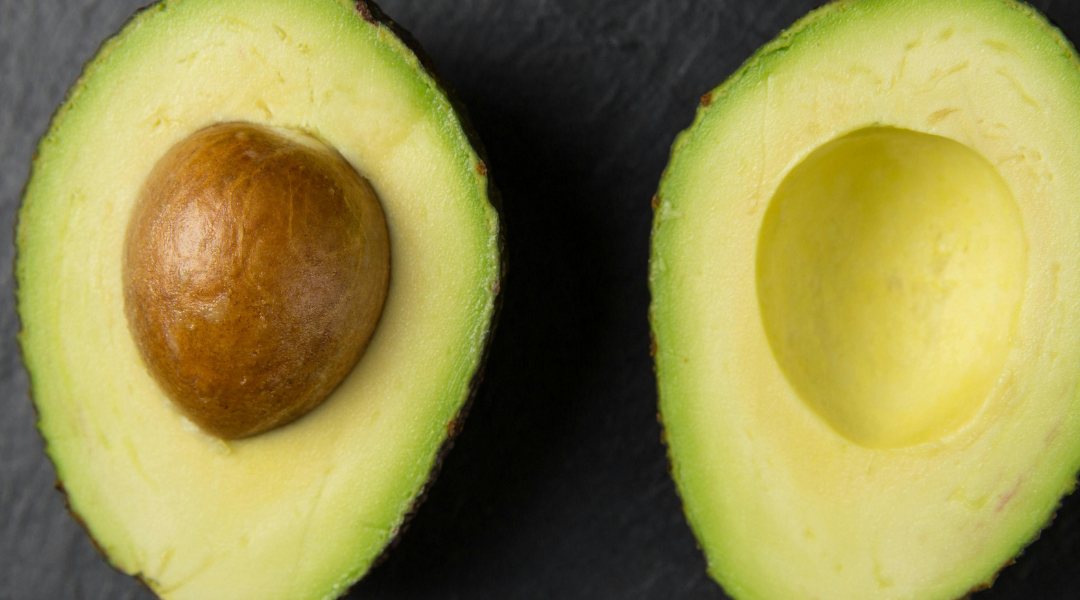
Avocados are often celebrated as a superfood, not only for their creamy texture and rich flavor but also for their impressive array of nutrients and heart-healthy benefits. Native to Central and South America, avocados have been cultivated for thousands of years and are now enjoyed worldwide. Their high content of healthy fats, vitamins, and minerals make them a valuable addition to any balanced diet.
Nutritional Value of Avocados
Avocados are highly nutrient-dense and provide a variety of essential vitamins, minerals, and healthy fats. One medium-sized avocado (150 grams) contains:
- Calories: 240
- Fat: 22 grams (15 grams of which are monounsaturated fats)
- Carbohydrates: 12 grams
- Fiber: 10 grams
- Protein: 3 grams
- Vitamin K: 26% of the Recommended Daily Allowance (RDA)
- Folate: 20% of the RDA
- Vitamin C: 17% of the RDA
- Potassium: 14% of the RDA
- Vitamin E: 10% of the RDA
- Vitamin B5: 14% of the RDA
- Vitamin B6: 13% of the RDA
Avocados are also low in sugar and are a great source of antioxidants like lutein and zeaxanthin.
Health Benefits of Avocados
- Promotes Heart Health
One of the standout features of avocados is their high content of monounsaturated fats, particularly oleic acid. These heart-healthy fats help reduce levels of “bad” LDL cholesterol while increasing “good” HDL cholesterol. Regular consumption of avocados can lower the risk of heart disease and improve overall cardiovascular health. - Rich in Potassium
Avocados are an excellent source of potassium, which is vital for maintaining healthy blood pressure levels. Potassium helps balance the effects of sodium in the body, preventing high blood pressure—a major risk factor for heart disease, stroke, and kidney problems. In fact, avocados contain more potassium than bananas, which are traditionally known for their potassium content. - High in Fiber
Fiber is crucial for digestive health, and avocados are a great source of both soluble and insoluble fiber. The fiber in avocados supports gut health by promoting the growth of healthy bacteria in the digestive tract, regulating bowel movements, and reducing the risk of constipation. Additionally, fiber contributes to satiety, helping you feel full longer, which can aid in weight management. - Supports Eye Health
Avocados are rich in the antioxidants lutein and zeaxanthin, which are essential for maintaining good vision. These antioxidants help protect the eyes from oxidative damage caused by ultraviolet (UV) light, reducing the risk of cataracts and age-related macular degeneration. - Aids in Nutrient Absorption
The healthy fats in avocados help enhance the absorption of fat-soluble vitamins, such as vitamins A, D, E, and K, from other foods. Adding avocado to meals can improve the bioavailability of these vitamins, making it easier for your body to utilize them. - Supports Weight Management
While avocados are calorie-dense, their high fiber and healthy fat content make them incredibly filling. Studies suggest that people who consume avocados feel fuller for longer, which may reduce overall calorie intake and support weight loss or weight management goals. - Anti-inflammatory Properties
The combination of monounsaturated fats, antioxidants, and phytosterols in avocados provides strong anti-inflammatory benefits. This can help reduce inflammation in the body, which is linked to numerous chronic diseases, including heart disease, arthritis, and diabetes.
Pros of Including Avocados in Your Diet
- Heart-healthy fats: High in monounsaturated fats that support cardiovascular health.
- Rich in fiber: Promotes digestion and helps manage weight.
- High in potassium: Helps maintain healthy blood pressure levels.
- Enhances nutrient absorption: Improves the absorption of fat-soluble vitamins.
- Versatile: Can be used in a variety of dishes, from salads and toast to smoothies and dips.
Cons of Avocados
- Calorie-dense: While packed with nutrients, avocados are high in calories, so portion control is important, especially for those watching their calorie intake.
- Potential Allergy: Some individuals may experience an allergic reaction to avocados, particularly those who have a latex allergy. This is due to the cross-reactivity between certain proteins in avocados and latex.
- Cost: Depending on the region and season, avocados can be relatively expensive compared to other fruits and vegetables.
- Ripening and Storage: Avocados ripen quickly and can spoil if not eaten within a short window, which can be inconvenient for some consumers.
How to Incorporate Avocados into Your Diet
- Avocado Toast: A popular and simple option, spread mashed avocado on whole-grain toast and top with olive oil, salt, pepper, and a squeeze of lemon for a quick and nutritious meal.
- Smoothies: Add half an avocado to your smoothies for a creamy texture and a dose of healthy fats.
- Salads: Slice avocados into salads to add creaminess and heart-healthy fats, complementing the crunch of leafy greens.
- Guacamole: Use avocados to make guacamole by mashing them with lime juice, cilantro, onions, and tomatoes for a tasty dip or spread.
- In Sandwiches and Wraps: Replace mayonnaise or other spreads with avocado in sandwiches and wraps for a nutritious alternative.
Conclusion
Avocados are truly a heart-healthy fruit that delivers a wide range of health benefits. Rich in monounsaturated fats, fiber, potassium, and antioxidants, they support heart health, aid digestion, and help with nutrient absorption. While they are higher in calories than many other fruits, their nutrient density makes them an excellent addition to a balanced diet. Whether enjoyed on toast, in salads, or as guacamole, avocados are a versatile and delicious way to boost your overall health.