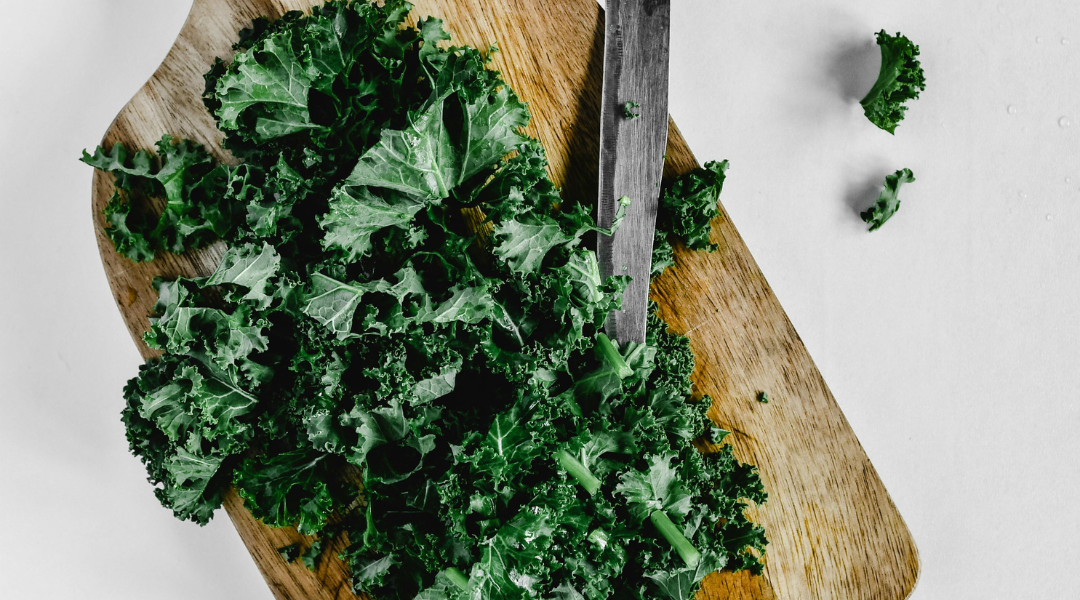
Kale has risen to prominence as one of the most nutrient-packed superfoods on the planet. This dark, leafy green is a member of the cruciferous vegetable family, which includes other nutritious vegetables like broccoli, cabbage, and Brussels sprouts. With its rich nutritional profile, kale has become a staple in healthy eating and is lauded for its benefits in everything from heart health to detoxification. Whether incorporated into smoothies, salads, soups, or simply sautéed, kale is an excellent addition to a balanced diet.
Nutritional Value of Kale
Kale’s impressive nutritional profile makes it a powerhouse of essential vitamins, minerals, and antioxidants. A single cup of raw kale (about 67 grams) provides the following:
- Calories: 33
- Protein: 3 grams
- Carbohydrates: 6 grams
- Fiber: 2.5 grams
- Fat: 0.6 grams
- Vitamin A: 206% of the Recommended Daily Allowance (RDA)
- Vitamin C: 134% of the RDA
- Vitamin K: 684% of the RDA
- Vitamin B6: 9% of the RDA
- Calcium: 9% of the RDA
- Magnesium: 6% of the RDA
- Manganese: 26% of the RDA
- Potassium: 9% of the RDA
Additionally, kale contains high levels of powerful antioxidants, including beta-carotene, lutein, and quercetin, which are crucial for protecting cells from damage caused by oxidative stress.
Health Benefits of Kale
- Rich in Antioxidants
Kale is packed with antioxidants, which play a crucial role in neutralizing free radicals that cause oxidative stress, a major contributor to aging and chronic diseases. The high levels of vitamins A, C, and K, along with antioxidants like quercetin and kaempferol, help protect the body against inflammation, support immune function, and contribute to overall cellular health. - Boosts Heart Health
Kale’s combination of fiber, potassium, and antioxidants is excellent for heart health. The fiber in kale helps lower cholesterol levels by binding with bile acids, promoting their excretion from the body, which can reduce the risk of heart disease. Potassium helps regulate blood pressure by counterbalancing the effects of sodium, while antioxidants reduce inflammation and improve blood vessel function. - Promotes Eye Health
Kale is a rich source of lutein and zeaxanthin, two potent antioxidants that protect the eyes from damage caused by UV light and oxidative stress. These compounds help reduce the risk of macular degeneration and cataracts, two common age-related eye conditions. In addition, kale’s high beta-carotene content is converted to vitamin A, which is essential for maintaining good vision. - Supports Bone Health
The abundance of calcium and vitamin K in kale makes it an excellent food for supporting bone health. Calcium is critical for maintaining bone density, while vitamin K plays a crucial role in bone mineralization. Regular consumption of kale may help reduce the risk of osteoporosis and improve overall bone strength, especially in older adults. - Aids in Detoxification
Kale contains sulfur compounds that support the body’s natural detoxification processes. These compounds help the liver eliminate toxins more effectively by promoting the breakdown of harmful substances. Kale’s high fiber content also assists in removing waste from the digestive system, contributing to better digestive health and detoxification. - Supports Weight Management
Low in calories but high in fiber and water content, kale is an excellent food for weight management. It promotes a feeling of fullness, helping to reduce overall calorie intake. Despite being low in calories, kale is incredibly nutrient-dense, which makes it a valuable food for those looking to maintain or lose weight while still receiving essential vitamins and minerals. - Helps Regulate Blood Sugar
Kale’s high fiber content plays a role in regulating blood sugar levels, which is beneficial for people with diabetes or those at risk of developing the condition. Fiber slows down the absorption of sugar into the bloodstream, helping to prevent spikes in blood sugar levels. In addition, the antioxidants in kale may help reduce inflammation associated with insulin resistance, further promoting better blood sugar control. - Supports Skin Health
Vitamin C, found in abundance in kale, is crucial for the synthesis of collagen, a protein that provides structure to the skin. Collagen production declines with age, leading to wrinkles and sagging skin. Eating kale regularly can help boost collagen production, supporting firmer, healthier skin. Vitamin A in kale also contributes to skin regeneration, while vitamin K helps reduce the appearance of scars and dark spots. - Potential Cancer-Fighting Properties
As a cruciferous vegetable, kale contains glucosinolates, which are compounds that may have cancer-preventive properties. When consumed, these compounds are converted into biologically active forms, such as sulforaphane and indole-3-carbinol, which have been shown to inhibit the growth of cancer cells. Kale’s rich supply of antioxidants also supports the body’s ability to combat oxidative stress, which is linked to cancer development.
Pros of Including Kale in Your Diet
- High in Nutrients: Rich in essential vitamins (A, C, and K), minerals, and antioxidants.
- Supports heart health: Lowers cholesterol and blood pressure, reducing heart disease risk.
- Promotes eye and bone health: Contains lutein, zeaxanthin, calcium, and vitamin K.
- Detoxifying properties: Supports liver function and promotes healthy digestion.
- Weight-friendly: Low in calories and high in fiber, promoting satiety.
- Versatile: Can be eaten raw, sautéed, blended into smoothies, or baked into chips.
Cons of Kale
- Thyroid Concerns: Kale contains goitrogens, which can interfere with thyroid function in people with iodine deficiency or existing thyroid problems. Cooking kale can reduce its goitrogen content, making it safer for those with thyroid concerns.
- Oxalate Content: Kale is relatively high in oxalates, which may contribute to kidney stone formation in individuals prone to this condition. Those with a history of kidney stones should consume kale in moderation.
- Digestive Discomfort: Kale is high in fiber, and eating too much of it may cause bloating, gas, or digestive discomfort in some individuals, especially when consumed raw.
How to Incorporate Kale into Your Diet
- Raw in Salads: Use kale as the base for a nutritious salad. Massaging the leaves with olive oil or lemon juice softens them and enhances the flavor.
- Smoothies: Add kale to smoothies for a nutrient boost without altering the taste much. It pairs well with fruits like bananas and berries.
- Kale Chips: Bake kale leaves with olive oil and sea salt to create a healthy and crispy snack alternative.
- Sautéed Kale: Sauté kale with garlic and olive oil for a simple, nutrient-rich side dish.
- Soups and Stews: Add chopped kale to soups and stews for added nutrition and texture.
- Green Juices: Juice kale with other vegetables like cucumber, celery, and apple for a refreshing detox drink.
Conclusion
Kale is truly the ultimate leafy green, packed with essential vitamins, minerals, antioxidants, and fiber. From promoting heart health and eye protection to supporting detoxification and weight management, kale provides a wide range of health benefits. While it’s generally considered a healthy food, those with thyroid issues or who are prone to kidney stones should consume it with some caution. Versatile and easy to prepare, kale can be incorporated into many dishes, making it an excellent choice for anyone seeking to improve their diet and overall health.